




The effect of weighted vests on autism: an in-depth analysis
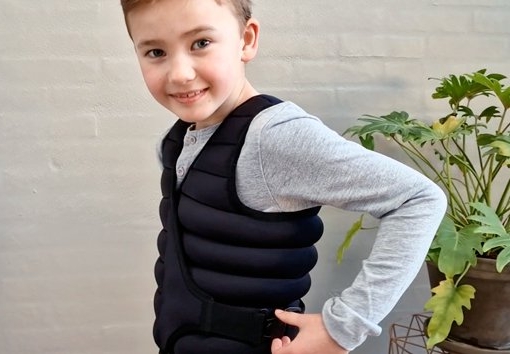
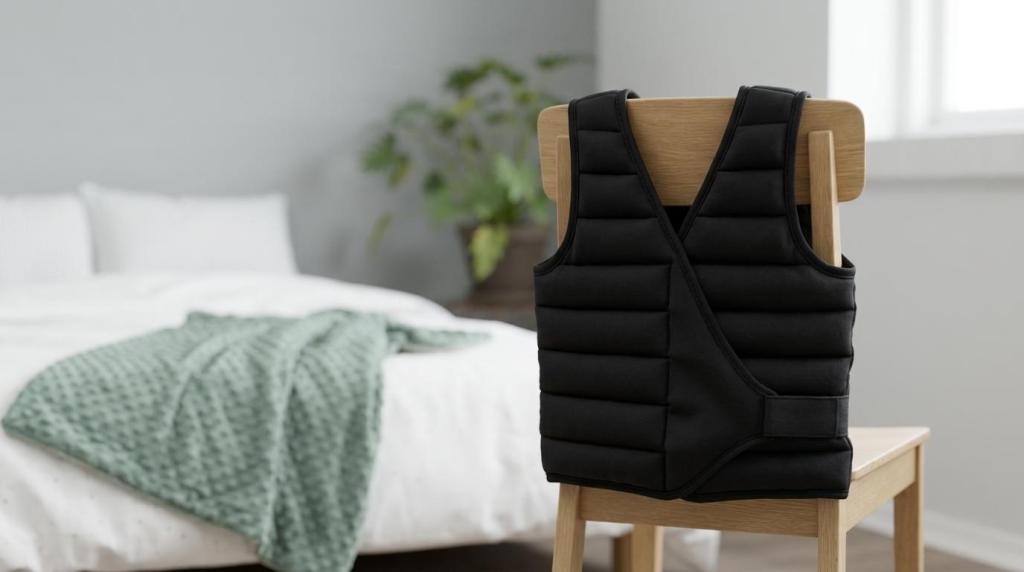
It can be difficult to distinguish between what feels "right" in the moment and what actually helps over time when trying new sensory-motor aids for autism. A weighted vest is one of the tools that many families and professionals return to, precisely because it is easy to put on, easy to try out in concrete situations, and often provides a clear bodily experience here and now. In this article, we will focus primarily on Recoil weight vest and elastic weight vest, Because the two types are often used a little differently in practice.
At the same time, the picture of the effect is mixed in the research. Some children, young people and adults experience more calmness, better focus and improved concentration, while others experience little or no effect. Therefore, it makes sense to approach a vest with a plan: Who is it intended for, when should it be used, for how long, and how can one measure whether it makes a real difference?
What the Rekyl weight vest and elastic weight vest do and what they don't do
Both a classic weighted vest (like Recoil weight vest) and one elastic weight vest provides input to the body in the form of deep pressure and proprioceptive stimulation. Many describe it as a physical anchoring in the body that can make it easier to feel oneself, find peace, and maintain concentration in an activity.
The difference in experience often comes down to how the pressure is applied. Recoil weight vest provides primarily a stable, predictable weight input, while elastic weight vest Typically, it is perceived as more "cramming" and flexible because the pressure also comes from the material's elasticity and fit.
It is important to expect the right thing:
- The vest can be a support tool for regulation, attention, and body awareness in selected situations.
- The Western approach is not a treatment of core features of autism such as social communication or the need for predictability.
- The effect can be evident in one environment and absent in another, because demands, noise, relationships, and mood all matter.
Indications: when is it worth trying a Rekyl weight vest or an elastic weight vest?
Weight and pressure are not neutral. For some, it can feel limiting, irritating, hot, or downright uncomfortable, and it can increase stress instead of alleviating it. There must also be control over safety, especially if the vest is used in an institution or school, where several adults may be present.
Be extra careful if there are:
- pronounced touch or pressure sensitivity, where physical contact typically creates resistance
- respiratory problems, heart disease or pain problems where additional strain could be inappropriate
- low muscle strength or rapid fatigue
- inability to take off the vest by themselves, or to signal discomfort clearly
A general rule of thumb is that the user must be able to get out of the vest safely, and that there must be supervision when needed.
When one should be cautious or refrain from doing so
Weight and pressure are not neutral. For some, it can feel limiting, irritating, hot, or downright uncomfortable, and it can increase stress instead of alleviating it. There must also be control over safety, especially if the vest is used in an institution or school, where several adults may be present.
Be extra careful if there are:
- pronounced touch or pressure sensitivity, where physical contact typically creates resistance
- respiratory problems, heart disease or pain problems where additional strain could be inappropriate
- low muscle strength or rapid fatigue
- inability to take off the vest by themselves, or to signal discomfort clearly
A general rule of thumb is that the user must be able to get out of the vest safely, and that there must be supervision when needed.
Dosage in practice: weight/pressure, fit, duration and breaks
There is no "correct" dose, but there are safe limits within which you typically work. With weight vests like the Rekyl vest, many people start with around 5–10% % of their body weight, often starting at the lower end.
Fit is at least as important as weight or pressure. A weighted vest like the elastic weighted vest typically works best when it sits stably and provides even pressure without tightening in the neck, armpits, or restricting breathing.
A cautious start is often brief and clearly defined, so you can evaluate the effect without "overdosing" and ensure a calm atmosphere during the process:
- Starting interval: 5–10 minutes
- Typical working interval: 10–20 minutes at a time
- Pause between intervals: planned, so the body does not get used to the pressure and to reduce fatigue
After choosing a cautious start, it can help to keep an eye on specific signs:
- Positive response: more peace of mind in shoulders and hands, easier to stay in the activity, fewer interruptions
- Overload: increased irritability, resistance to wearing it, fatigue, altered breathing patterns
- Practical barriersThe vest slips, it bothers the neck, it gets too hot, conflicts about taking it off and on again
When on the day does it make the most sense?
The recoil weight vest and elastic weight vest rarely serve as "background clothing" if they are used constantly, especially if the person has sensory challenges; therefore, it is important to focus on individual customization. They are more often seen as tools to be used when demands increase or when one knows that a difficult situation is approaching.
It can be during morning routines, meals, homework, gathering in kindergarten where children are present, transportation, or tasks requiring high concentration. Some experience the greatest effect just before an activity where the body needs to land, while others enjoy the vest more during the actual task itself.
It can be tempting to use the vest when passively watching TV because there are fewer conflicts at the moment. But if the goal is better participation and self-regulation in everyday tasks, it often makes more sense to place the intervals where the challenge actually lies.
A simple testing plan that can be used at home and in institutions
If you want to take the effect seriously, you need to measure something that can be counted, assessed, or described in the same way every time. It doesn’t have to be advanced research. It just needs to be systematic enough to allow you to see a trend.
A practical plan might look like this:
- Choose 1–2 goals that matter in everyday life (not "more peace of mind" in general).
- Set a baseline goal in a few days without a vest, in the same type of situation and at the same time.
- Test the vest for short periods of time in 1–2 weeks in the same situation.
- Take breaks without the vest and compare again, so you can see the difference between the vest and normal development.
- Adjust weight/pressure, duration, adaptation or timing, if the data and well-being indicate so.
That is often enough to decide whether a Rekyl weight vest or elastic weight vest should be a permanent part of a sensory plan, a "when needed" tool, or whether to choose something else.
What can be measured without it becoming too heavy?
The best thing is to choose goals that both parents and staff can record quickly. A stopwatch and a simple paper or phone form may be enough.
Here are some goals that many can use:
- time in activity
- number of interruptions
- the number of times you leave the space
- duration of unrest before the start
- time for returning to peace after a strain
Table: Example of measuring chart for Rekyl weight vest / elastic weight vest
| Goals in the situation | How it is measured | Baseline (without vest) | With the West | Notes (sleep, changes, requirements) |
|---|---|---|---|---|
| Stay seated at the table | Number of times standing up in 15 minutes | 6 | 3 | Same activity, more noise on Tuesday |
| Task start | Time from message to start | 8 minutes | 4 minutes | Western on 5 minutes before notice |
| Stimming that interferes with the task | Minutes per 15 minutes | 7 | 5 | Works best for writing tasks |
| Self-reported distress (if possible) | Scale 1-10 before and after | 8 → 6 | 8 → 4 | The person himself wanted peace on Friday |
The chart makes it easier to communicate across homes and services, and it can help improve concentration and focus. It also makes adjustments more precise because you can see, what that changes, and what doesn't.
What does the research say about the effectiveness in autism?
Studies on weighted vests for autism show mixed results. Some smaller studies and single cases have found increased time "on task" and less self-stimulating behavior, while more controlled studies do not find a stable, clear effect for the majority. Systematic reviews are generally cautious and point out that weighted vests cannot be considered a reliably documented standard intervention for autism.
That doesn't mean that the Rekyl weight vest or elastic weight vest are "useless", but they can have an advantage when used thoughtfully. That means that they should be used as individual testing tools where one evaluates the individual and where goals and measurements are part of the decision-making process.
In many sensory plans, the West is not included alone either, but is often combined with other interventions to support the nervous system. It often makes the most sense when combined with other regulatory strategies such as movement, structure, predictability, breaks, and clear communication about requirements.
Practical aspects: comfort, hygiene and durability in everyday use
In nurseries, kindergartens and schools where children are present, cleanliness, durability and ease of handling are very important. The vests are used again and again, and they must be able to withstand everyday use without losing their fit or becoming cumbersome to maintain.
In practice, it may be useful to clarify in advance:
- who is responsible for bringing the vest out and recording the measurement
- How the Western is cleaned and stored so that it is ready and hygienic
- how to ensure uniform use (same timing, same duration, same type of task)
One final, but important point: If the West becomes a conflict point, much of the idea disappears. Introduction can be quiet and calm, with the West clearly in the foreground, and the user has control over trying it out, rather than it being "something the adults decide".
Questions that can make the next adjustment more precise
If you have already tried a vest without getting any better, it is often because the target, timing, or dosage of the weight vest were too inaccurate. These questions can help sharpen the testing:
- Which situation is most important to improve, and how does "better" look in numbers or time?
- Does the person become calmer, or does the person just become more passive and tired?
- Does the effect come immediately, or only after the break, when the body has had time to adjust?
- Is the vest sitting correctly (even pressure, free breathing, free movement), or is one "working" against the fit?
- Could a shorter session, a different time of day, or a different vest type (Recoil weight vest vs. elastic weight vest) have a different effect?
When working in this way, the Rekyl weight vest and elastic weight vest become concrete, responsible tools in a larger whole, not a quick solution. This gives a better chance of finding exactly the support that creates more security, participation, and balance in everyday life.
[custom_faq_accordion]
Share this article
Other Articles

October 16, 2026

October 16, 2026
October 16, 2026
October 16, 2026

October 16, 2026