





Understanding proprioception and deep pressure stimulation
When the body feels restless, it often seeks more information. This can appear as fidgeting, stomping, leaning on furniture, chewing on sleeves, or being unable to sit still. For many, it is not defiance, but the nervous system’s way of asking for clearer bodily signals.
This is where proprioception and deep pressure stimulation become relevant, as weight and firm, steady touch can give the body a clear 'here I am' signal and help reduce overactivation.
Proprioception: kroppens indre orienteringssans
Proprioception is the sense that tells you where your arms and legs are, how much you are tensing, and how you are moving, even when your eyes are closed. It relies on signals from receptors in muscles, tendons, and joints that detect stretch, tension, and joint position. The brain uses this information to adjust posture, balance, and movement, but also to create a sense of bodily security.
It is a sense we rarely notice when it works well. You pick up a glass without crushing it. You walk up stairs without looking at each step. You can lie in bed and 'find' your arm under the covers.
When proprioceptive signals are too weak, unclear, or difficult to process, the body may start seeking more input. This is often seen in children and adults with autism, ADHD, anxiety, dementia, or general sensory challenges, but it can also occur during periods of stress, illness, or sleep deprivation.
An important point is that proprioception is not just about movement. It is closely linked to arousal—how activated the nervous system is—and whether the body feels 'together' or scattered.
Deep pressure stimulation: when firm touch helps the nervous system calm down
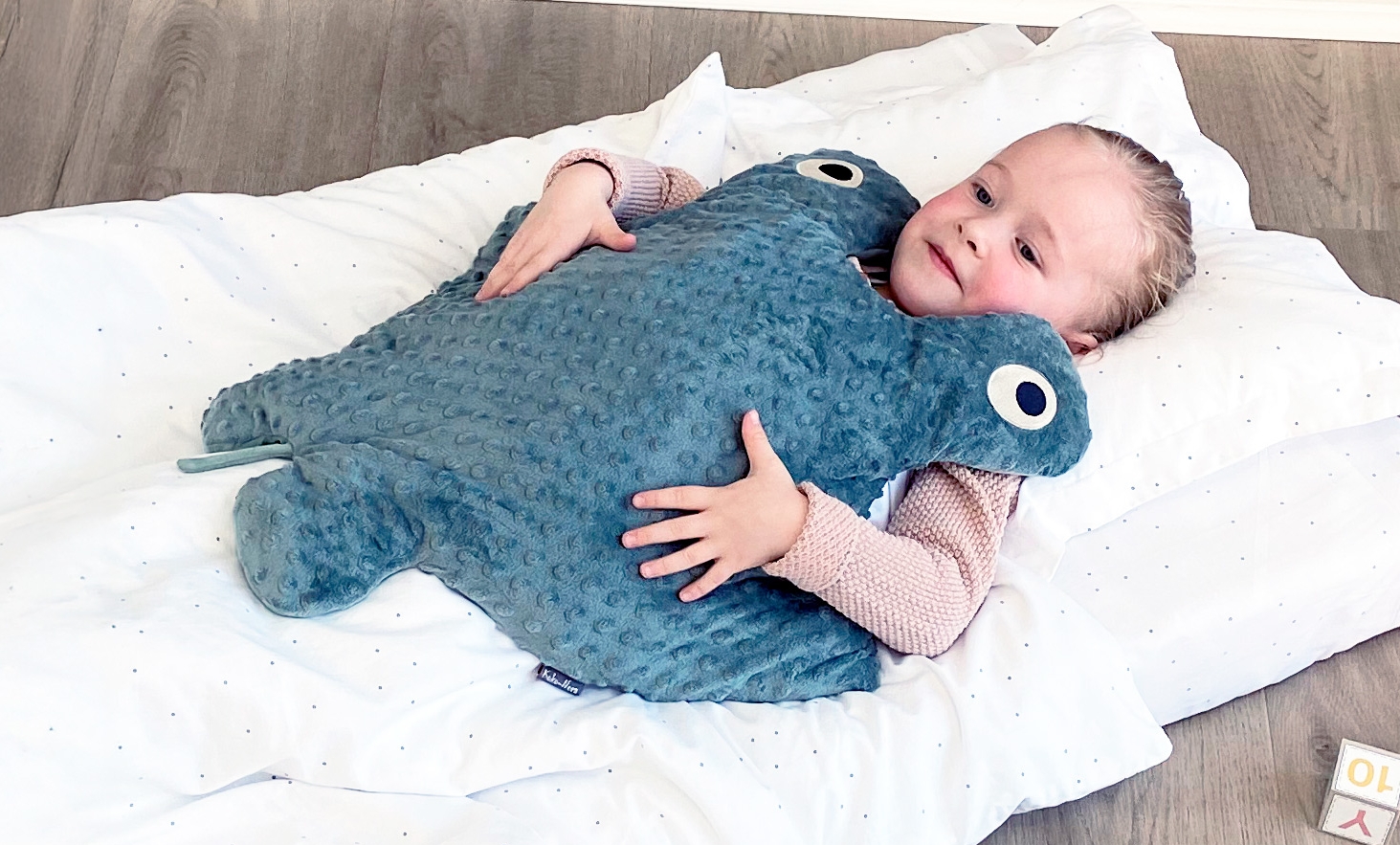
Deep pressure stimulation means steady, consistent pressure directed toward the body. This can come from weight, compression, a firm hug, a shoulder pillow, a weighted vest, a weighted blanket, or a weight placed on the thighs and pelvis.
What is special about deep, steady pressure is that it activates mechanoreceptors in the skin and underlying tissue while also providing clear proprioceptive signals from muscles and joints. The combined body information can have an organizing effect. For many, it feels like being 'held together.'
On a biological level, research suggests that deep pressure stimulation often shifts the balance of the autonomic nervous system toward increased parasympathetic activity, meaning 'rest and digest,' while reducing sympathetic activation, which is associated with alertness and fight-or-flight responses. Several studies also show links to changes in stress hormones and calming neurochemistry, including systems related to oxytocin, serotonin, and dopamine
This does not mean that weight is a universal solution. However, it provides an explanation for why something as simple as steady pressure can feel calming, predictable, and safe.
| Type of stimulus | What the body particularly senses | Typical situations | Often experienced effect |
|---|---|---|---|
| Light stroking | Afferent signals from gentle touch | Comfort, care, cuddling | Pleasure, connection, emotional warmth |
| Steady deep pressure | Pressure and stretch receptors in the skin, as well as proprioception | Break, screen fatigue, restlessness | Inner calm, clear body boundary, slower 'pace' |
| Weight distributed over the body | Combined pressure and proprioception over larger surfaces | Sleep, relaxation, rest | Better downregulation, easier to stay lying down |
| Local compression (vest/pillow) | Targeted input to the upper body/pelvis | School, daycare, transitions between activities | Support for focus, reduced motor restlessness |
Why does it work clearly for some and less so for others?
Nervous systems are different. Some calm down from pressure, while others become irritated or feel trapped. It depends on sensory profile, past experiences, current state, temperature, pain, and whether the person has control over the stimulus.
Control is crucial. Deep pressure stimulation should be offered, not imposed. When a person can choose when to start and stop, the pressure is more often perceived as comforting rather than forceful.
Intensity and duration also matter. A brief, light pressure may be too little, while a strong pressure may be too much. Many do best with moderate, steady pressure over a period of time, allowing the body to 'shift gears.'
After observing in everyday life, you can often notice small signs that the body is responding to the stimulation:
- Lowered shoulders"
- Calmer breathing
- Less chatter or fewer repetitive movements
- Improved eye contact or less darting around
- Longer engagement in the same activity
Deep pressure stimulation in practice: from morning to bedtime
It makes the most sense to incorporate weight and tactile elements as part of a routine, especially around transitions. Many become most restless during changes: leaving the house, entering the classroom, after lunch, before a bath, or at bedtime
Start simple. Choose one situation where restlessness often occurs and try one solution at a time, as the brain may need time to adjust to new stimuli. Note what happens without forcing a specific outcome.
Some find that deep pressure works best when combined with activities that give the body 'work,' such as carrying, pushing, pulling, or sitting steadily. These can be everyday activities just as much as specialized tools
Here are examples of how weight and touch can be used in typical situations:
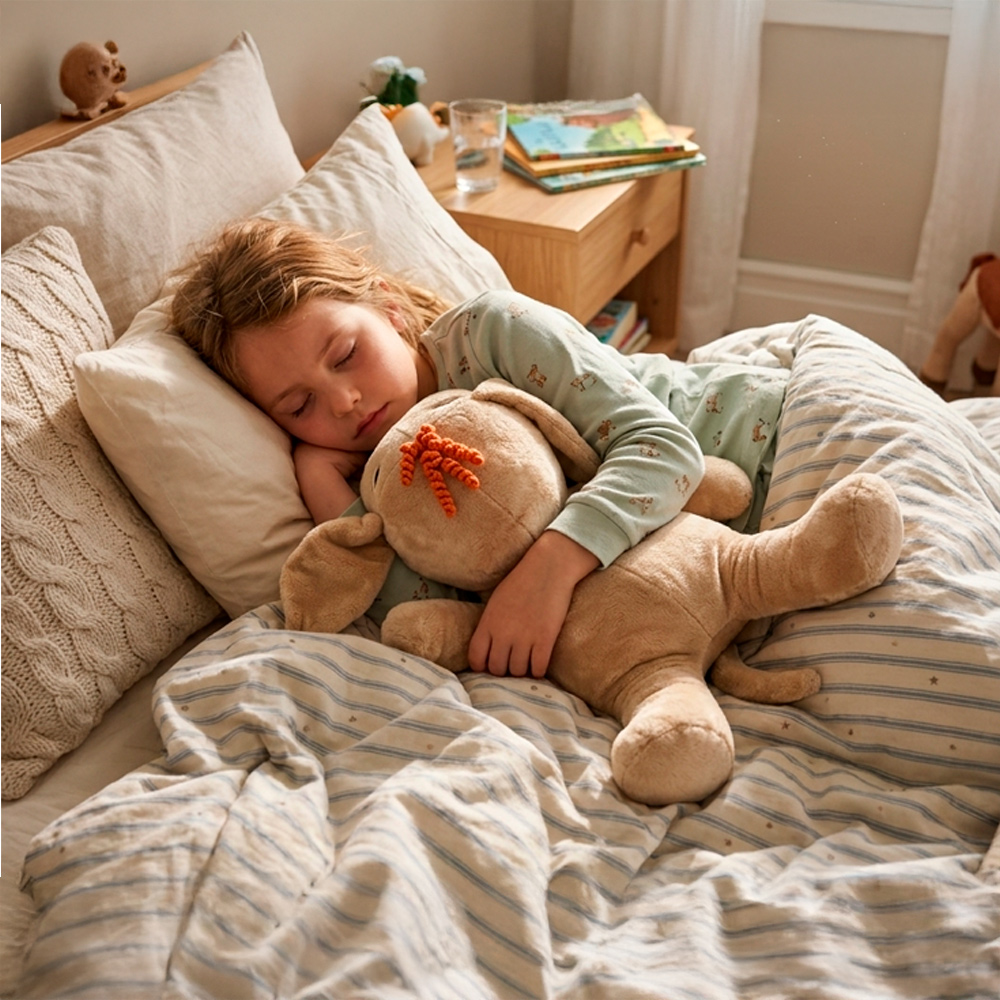
- Sleep: Weighted blanket or weighted throw, so the pressure is evenly distributed and easy to get out from under
- School and concentration: Weighted pillow on the thighs/pelvis or a weighted vest in short intervals
- Transitions between activities: Shoulder pillow or a calm 'pressure ritual' before moving on
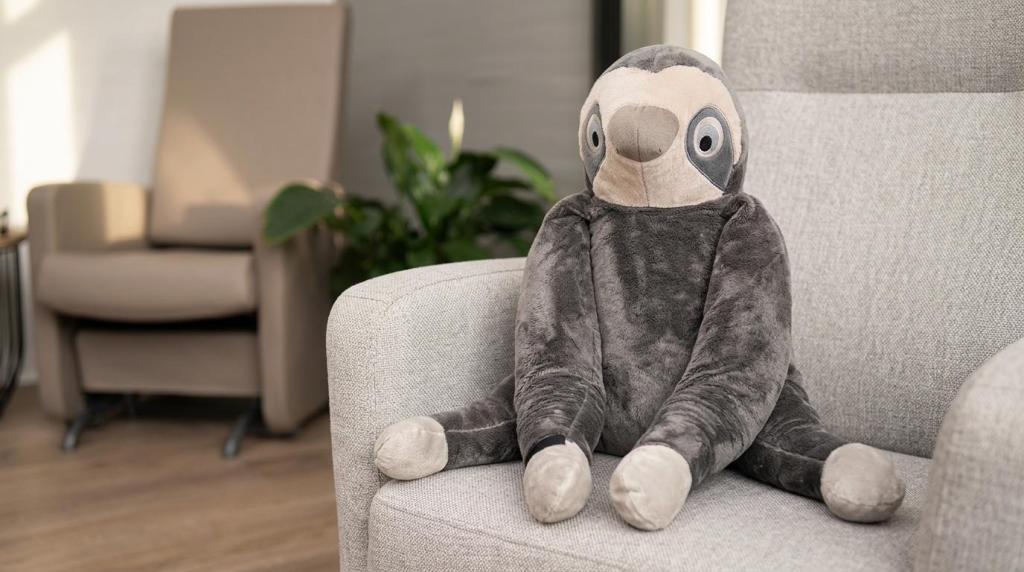
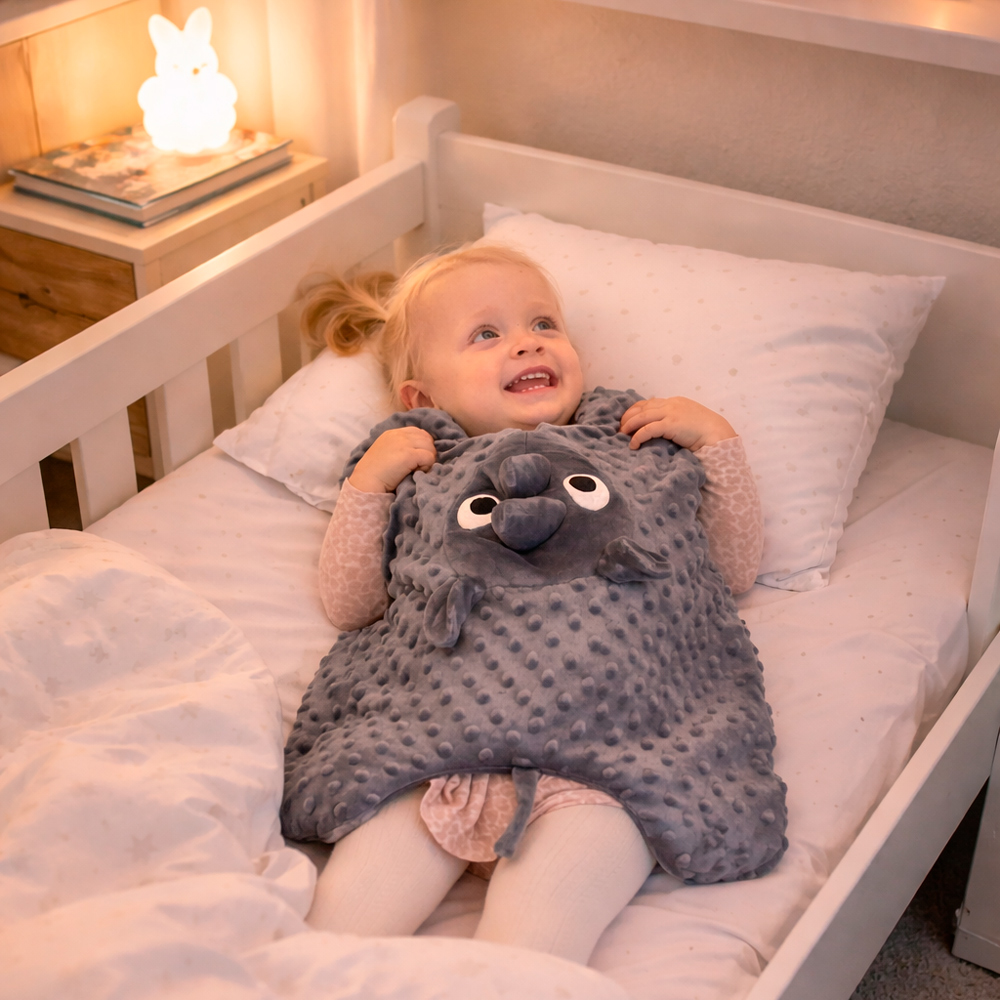
- Restlessness and self-injurious behavior: A heavy stuffed teddy bear or a weighted item that can be held close to the body
And some very practical approaches, which often make sense to try first:
- firm hugs on the person's terms
- to roll into a blanket and roll out again
- a 'sandwich' between pillows on the sofa, if it feels comfortable
- to sit with feet firmly on the floor and something heavy on the thighs
When the target group is broad: children, adolescents, adults, and older adults
In young children, the need may appear as high activity levels, a short temper, or difficulty calming down after play. In adolescents, it can look like restlessness, inner agitation, a need for constant movement, or trouble starting tasks. In adults, it may show up as a tense jaw, restless legs, overthinking, or sleep problems
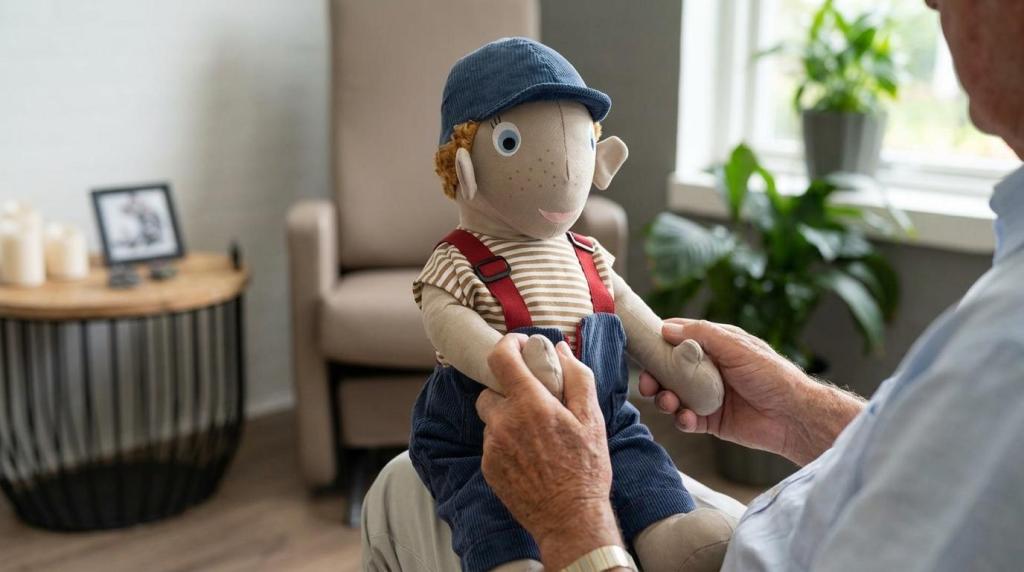
In people with dementia deep pressure stimulation and sensory input can sometimes support a sense of security, bodily orientation, and body awareness in people with dementia, especially in new environments or during evening restlessness. Here, it is particularly important to introduce it gently, ensure proper temperature regulation, and provide supervision, as signals of discomfort may be harder to read
In institutions and care settings, easy-to-clean materialssturdy stitching, and high safety can be just as important as the weight itself. Products with tactile elements can also provide something to 'hold onto' sensorially, without becoming overstimulating.
Danish-made sensory-motor aids, developed in close collaboration with physiotherapists and occupational therapists, are often chosen for this reason: they are designed for daily use, frequent handling, and high hygiene standards.
Dosing and safety: how to try it responsibly
Deep pressure stimulation should feel pleasant and safe. If it triggers panic, anger, nausea, pain, or shortness of breath, it is a stop signal, not something to be 'tolerated'.
A commonly used rule of thumb for a weighted blanket is about 5 to 10 percent of body weight, but the right solution can be either below or above this range, depending on purpose and tolerance. It is also important that the pressure is evenly distributed and that the person can always remove themselves, which requires awareness of the user’s needs and reactions.
Weight products should not be used for infants and very young children, and in general, weighted blankets are not recommended for children under 2 years due to the risk of suffocation. For individuals with breathing problems, circulatory conditions, severe obesity with breathing difficulties, epilepsy, reduced sensation, skin issues, wounds, fractures, or recent surgery, it is important to consult healthcare professionals first.
One simple way to get started is to do it gradually:
- Set a goal: Is the goal calmness before bedtime, better focus for 20 minutes, or fewer conflicts during transitions?
- Start low: Short duration and moderate pressure, and stop while it still feels good
- Observe the response: Breathing, muscle tension, facial expressions, sleep, irritability
- Adjust one thing at a time More time or more weight, but not both at the same time
- Make it voluntary: Opportunity for a break and a clear 'exit' every time
The environment matters more than you might think
Sometimes a single aid is not enough because the overall sensory load in the room is too high. Light, sound, many people, smells, and demands can keep the body, mind, and brain on high alert. In these situations, deep pressure stimulation works best as part of a calm 'setup,' where the stimulation is used to reduce stress.
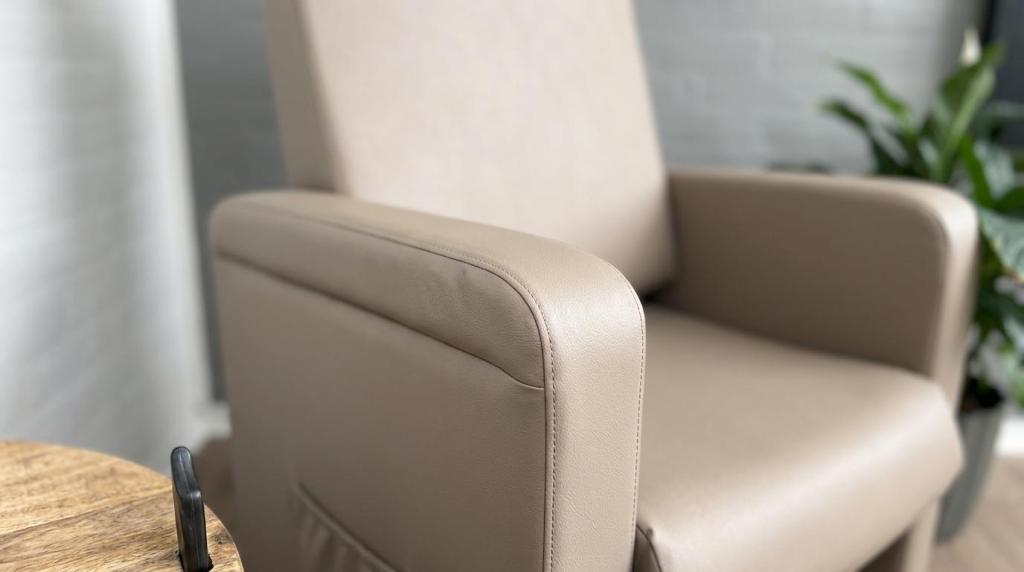
This could be a corner with dimmed lighting, a chair that provides stability, a weighted pillow ready on the shelf, and a clear routine for breaks. Some also benefit from rhythmic movement, such as rocking or swinging, where proprioception and the vestibular sense work together. This is precisely why you see solutions like rocking chairs, recliners and mobile snoezel environments in several specialized facilities. i flere specialtilbud.
When the body receives clear, repeated signals of support and boundaries, it often becomes easier for the body and mind to handle demands, relationships, and learning without becoming overwhelmed.
It's not magic. It's the brain and nervous system's way of responding to pressure, weight, and predictability.
Share this article
Andre Artikler
September 8, 2026
September 8, 2026
September 8, 2026
September 8, 2026
September 8, 2026
September 8, 2026