




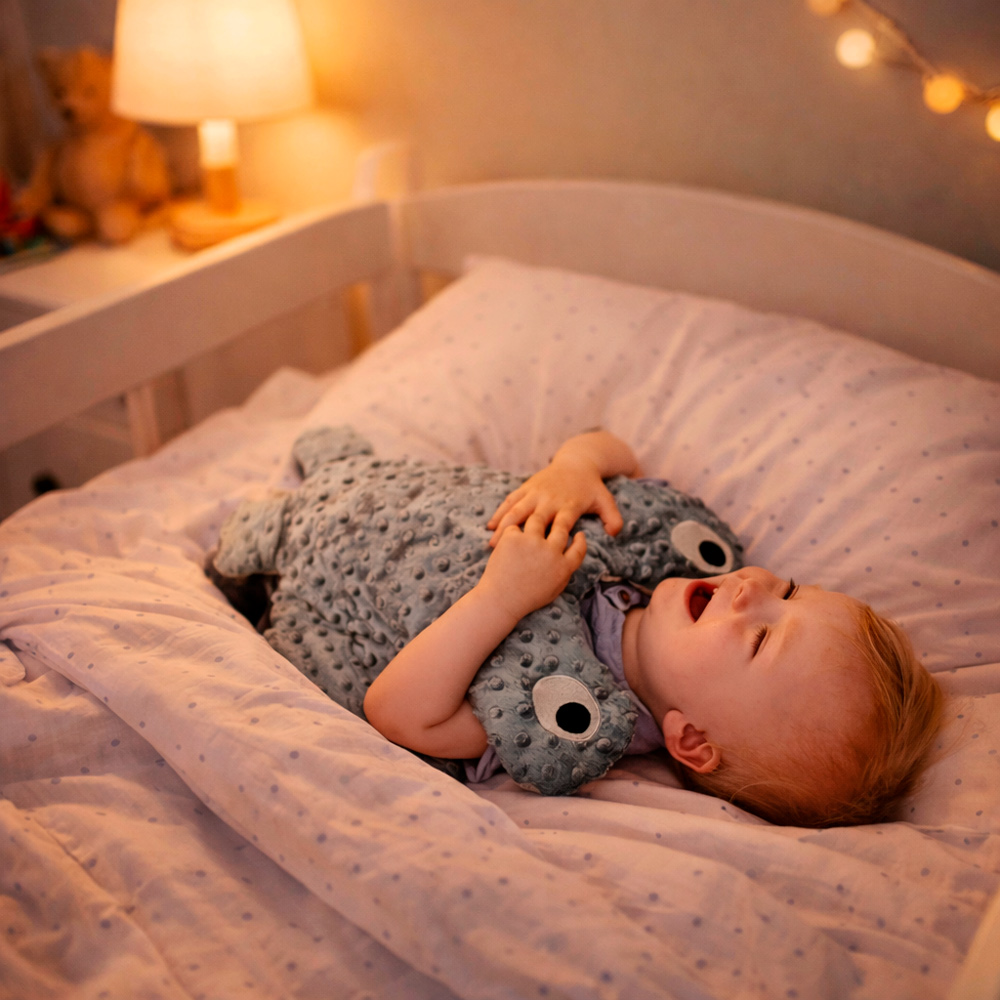
Tactile defensiveness in children: signs, causes, and gentle support
When a child suddenly withdraws from touch, becomes very upset when washing their hair or refuses to wear certain clothes, it is often interpreted as resistance, stubbornness or poor well-being. For many families, reality is different. The child does not react to be inconvenient, but because the touch is perceived as much stronger than the surroundings expect, leading to defensive behavior.
Tactile defensiveness involves the brain interpreting ordinary touches as unpleasant, disturbing, or directly threatening. This can affect sleep, dressing, play, eating, learning, and social relationships. With calm support, clear routines, and the right tools, everyday life can often become more comfortable for both the child and the adults around them.
What is tactile defensiveness in children?
Tactile defensiveness is a form of sensory overreaction to touch. This means that input from the skin is not sorted or processed in an appropriate way. Something that feels neutral to others can feel intense, irritating, or overwhelming to the child.
It is often seen as hypersensitivity to light touch. The child may react to the seams of the clothes, marks on the neck, wet hair, sand between the fingers, brushing their teeth or standing close together in a queue. Some children become angry, others become anxious, become rigid or try to escape the situation.
There are also children who seem underresponsive and seek stronger touch or pressure. They may hug hard, jump a lot, bite things, or have difficulty feeling their own body boundaries. In practice, some children can switch between being very sensitive in certain situations and very exploratory in others.
This makes the image more nuanced than it is often presented as.
Signs of tactile defensiveness at different ages
The signs often change with age. In young children, it is often seen in caregiving situations, while older children show it more often in school, play, and social settings. The reactions can also fluctuate from day to day, especially if the child is tired, stressed, or overstimulated.
What matters is not whether the child occasionally says no to a bath or doesn’t like a woolly sweater. What matters is the pattern, the intensity, and the burden it creates in everyday life.
| Age | Typical signs of tactile challenges |
|---|---|
| 1-3 years | Resistance to changing diapers, baths, getting dressed, washing hair and cutting nails |
| 3-5 years | Discomfort from sand, finger painting, sticky food, brushing teeth and new textures |
| 6+ years | Complains about clothes, avoids physical play, reacts strongly to being pushed or touched unexpectedly |
Many parents only recognize the pattern when they see how much energy the child uses to avoid certain sensory impressions.
After a period of observation, the following signs may be relevant to note:
- Strong resistance to hair washing
- anger at unexpected touch
- refusal of hugs or close contact
- Conflicts over clothes and shoes
- discomfort from sand, glue, paint or soap
- significant reaction to seams, marks or certain substances
- difficulties with walking, gathering or confined spaces
- the search for hard pressure or very wild physical play
Possible causes of tactile defensiveness
There is rarely a single explanation. In some children, tactile difficulties are linked to congenital differences in the nervous system’s way of processing sensory input. Research indicates that sensory challenges are often seen alongside neurodivergent profiles such as autism and ADHD, but tactile reactions can also occur without a formal diagnosis.
In other children, early stressors play a role. These may include premature birth, prolonged hospital stays, high physiological stress early in life, or other conditions where the nervous system has been under pressure. Some children appear to have a more vulnerable alarm system from the start.
Stressful experiences and trauma can also affect the sense of touch. If the child is in constant alert mode, even light touch can feel unsafe. In this case, touch becomes not just a sense, but something the body associates with unpredictability or danger.
At the same time, it is worth remembering that behavior and sensory impressions must always be seen in context. A child with anxiety, sleep problems, language difficulties, or many changes in daily life may react more strongly emotionally, without it all being explained by tactile defensiveness alone.
| Area of origin | What it might mean in practice |
|---|---|
| Neurological differences | The child registers and sorts touch differently |
| Early loads | The nervous system becomes more easily overwhelmed |
| Trauma and stress | Touch triggers alarm and panic |
| Concurrent diagnoses | Sensory challenges become part of a larger overall picture |
Gentle support in the home through tactile defensiveness
The first step is often to change perspective. When the child protests, it is rarely an expression of indulgence or a lack of will. The reaction is usually genuine and physical. It makes a big difference when adults approach the child with calmness, predictability, and respect for boundaries.
Gentle support is not about removing all challenges. It is about finding a balance where the child is both protected from overstimulation and given the opportunity to slowly build tolerance. The pace must be realistic, and the child must experience co-determination.
Many children benefit more from firm, clear touches than from gentle and unexpected touches. A quick stroke across the arm can feel more uncomfortable than a gentle, steady touch. This also applies in everyday situations such as dressing, hand washing, and diapering.
At home, it may be helpful to try out simple adjustments:
- Preparation before touching: Tell the child what is going to happen and when it will happen
- Options in clothing: Soft materials, fewer seams, loose fit and familiar favorites
- Calm routines: Same sequence for bath, brushing teeth and bedtime
- Deep pressure rather than light touch: Firm hugs, a blanket around the body, or gentle pressure on the shoulders and legs if the child is comfortable with it
- Small steps: One new texture or one small change at a time
- Stop in time: Training works less well if the child is already in alarm mode.
It can also be a relief to look at the actual timing of the difficult routines. If washing hair is always the last thing done in the day when the child is tired and exhausted, resistance often increases. Some families achieve better results by moving demanding tasks to a more relaxed time.
Support in daycare and school for tactile challenges
In institutions and schools, tactile challenges often become apparent because there are more people, more noise, and less control over physical distance. The child may be pushed into the locker room, hit by other people's arms in the queue, or forced into activities with materials that feel uncomfortable.
Here, collaboration between home and professionals is absolutely crucial. When educators and teachers know the child’s triggers, they can prevent many conflicts. This does not always require major changes. Small adjustments can make a noticeable difference.
It often helps to work systematically with three tracks:
- Predictability in the transitions
- Fewer unexpected touches
- Possibility of regulation during the day
After a joint discussion between the home and the institution, one can choose a few fixed activities:
- seat in the edge rather than in the middle in heavy traffic
- a calm wardrobe routine
- visual daily program
- pause space or small sensory corner with tactile sensory
- Clear warning before physical assistance
- the possibility of withdrawing in an agreed manner
A child who is met with respect for their sensory limits often finds it easier to participate. Not necessarily in everything, but more so.
Sensomotoric aids and depth pressure in tactile defensiveness
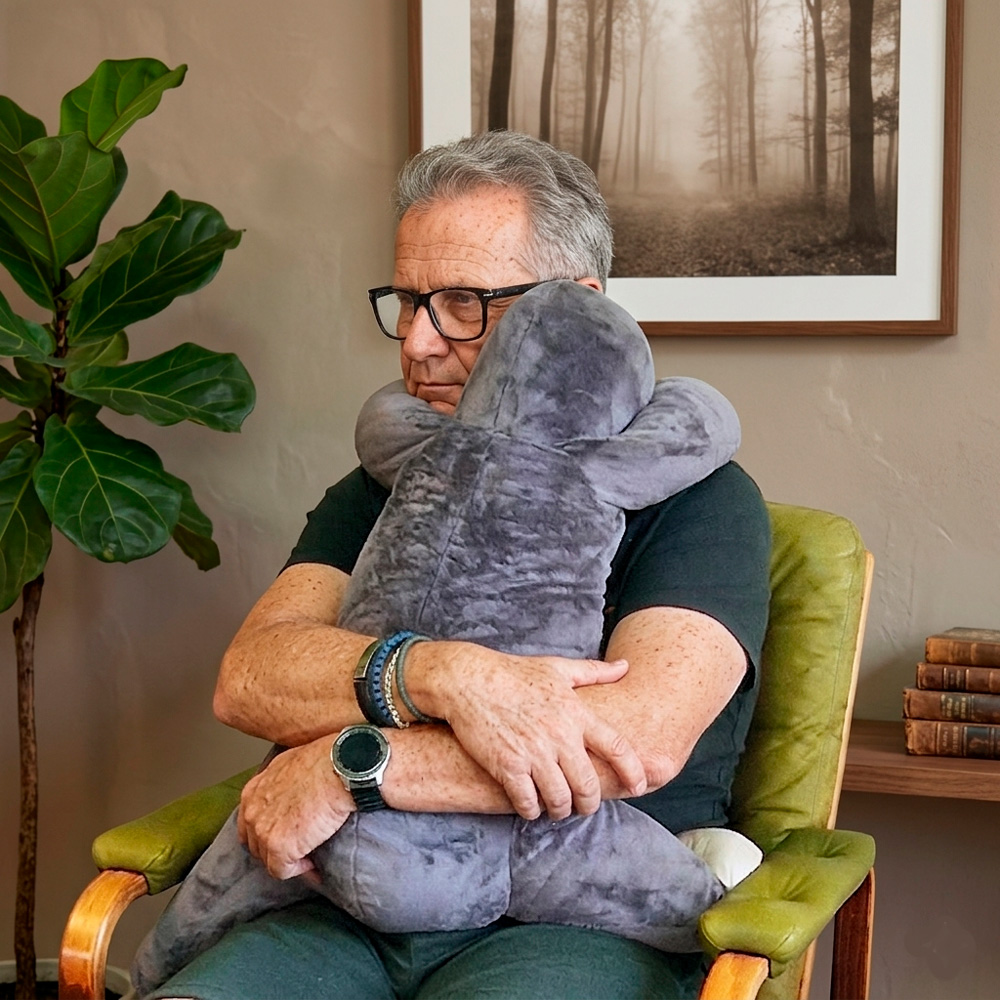
Some children find comfort through deep pressure and clear bodily boundaries. This can take the form of a heavy blanket over their legs, a pillow on their lap, a weighted teddy bear, a vest, or a chair that supports their body and provides a more unified sense of body awareness. For some children, deep pressure can alleviate anxiety and make touch less disruptive.
It is not a universal solution, and it does not work the same for everyone. But for children who seek weightlessness, stability, and clear bodily signals, sensory motor aids can be a useful supplement to the pedagogical strategies around the child.
At Oliz/Koko-Nora development is taking place sensomotoric aids with weight and tactile elements in collaboration with physiotherapists and ergotherapists. The products are designed for everyday use, even in environments with high requirements for safety and hygiene. hygiene and durability. This applies, among other things weighted vest, weight bags, weight blankets, shoulder pads, seat cushions and rocking chairs, which can be incorporated into calm moments, breaks, or transitions throughout the day.
The essential thing is always the match between the child, the situation, and the tool. A tool should be chosen based on the child’s needs and preferably in dialogue with professionals when the challenges are significant.
When should one seek professional help for tactile defensiveness?
It is a good idea to seek professional assessment if your child’s reactions interfere with their well-being, sleep, participation, or relationships. This also applies if regular routines are marked by daily struggles, or if the child seems very stressed at daycare, school, or free time.
An occupational therapist can often help assess the child’s sensory profile and suggest specific strategies. In some cases, it is also relevant to talk with a health care professional, a pediatric occupational therapist, the child’s own doctor, or other professionals about the child. The more accurately one understands the child’s patterns, the easier it becomes to support the child without pushing too hard.
It can be useful to note when the reactions occur and what seems to help. Small observations often provide a clearer picture than memory alone.
Please seek help if you recognize several of these conditions:
- Daily conflicts: Getting dressed, bathing, washing hair or going to bed triggers strong reactions almost every day.
- Social influence: The child avoids play, community, or physical closeness, including physical contact, to an extent that limits daily life
- Heavy load: The child becomes quickly overwhelmed, angry, or anxious upon ordinary touch.
- Uncertainty among adults: Parents or staff are unsure about how the child can be best supported
- Suspicions go beyond sensory perception: There may be signs of anxiety, ADHD, autism, or other co-occurring challenges.
The goal is not for the child to be able to cope with everything at once. The goal is a daily life with more peace, fewer conflicts, a greater sense of security in their own body, and a positive sensory experience. When the support becomes gentle, clear, and persistent, there is often much to be gained.
[custom_faq_accordion]
Share this article
Other Articles

October 16, 2026
October 16, 2026
October 16, 2026
October 16, 2026
October 16, 2026