




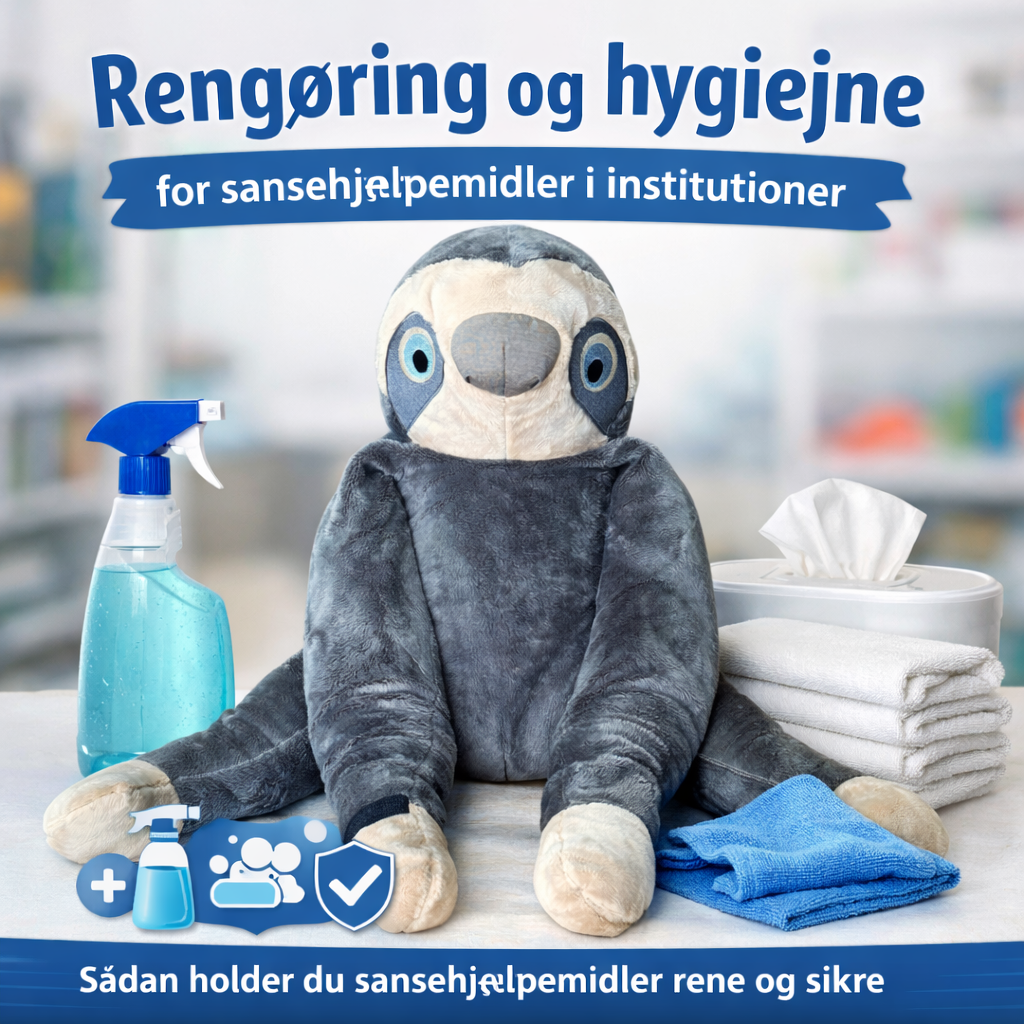
Hygiene for hearing aids
Safety aids must provide peace and reassurance, even when used by many people during a day. In an institution, they are often in the hands of several children, citizens, or residents, and they are used close to the body. This places higher demands on hygiene than ordinary toys and equipment.
Good cleaning is not just about reducing the risk of infection. It is also about maintaining the functionality of the equipment so that weight distribution, tactile surfaces, and materials continue to feel natural, and so that the equipment can withstand daily use in an environment with a high level of activity.
Hygiene in sensory environments is part of the care
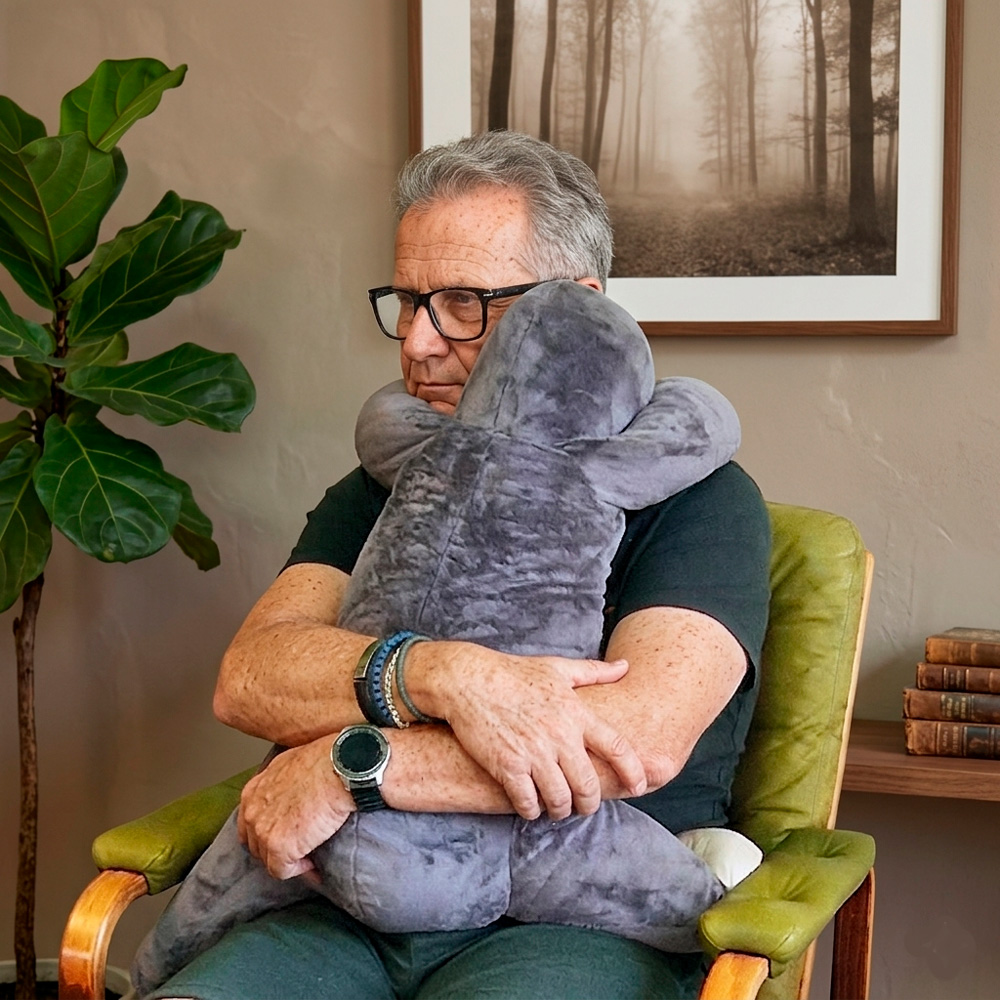
Sanitary aids are often used when a person is vulnerable: due to overstimulation, agitation, anxiety, dementia-related anxiety or the need for protection. When something is close to the skin, sweat, skin fat, sebum and minor accidents quickly become part of everyday life. This is especially noticeable with weighted blankets, weighted vests, shoulder pads and soft sensory pads.
At the same time, many sensory environments are designed to be inviting. They should continue to be so. A product that smells “institutional” or feels damp is less likely to be chosen, and one loses an important opportunity to create calm in the situation.
In some places, it makes sense to think of cleaning as part of the pedagogical or care structure: the regular ritual after use, the clear responsibility at the guard station, and the visible sign that everyone takes care of each other here.
Start by sorting by material and contact surface.
A practical rule of thumb is to divide equipment into two categories: what material it is made of and how close it typically comes in contact with the body. Textiles and padding require a different approach than hard, washable surfaces. And products used close to the face and hands often require more frequent cleaning than what is most suitable for furniture.
It can help to note the material type and care instructions per product, especially if you have a mix of, for example, washable textiles, PU covers, Silvertex-like surfaces and electronics.
After a few weeks of simple registration, it becomes clear which aids require extra attention and which routines can actually be maintained in a busy everyday life.
Typical errors that cost time and life
Most challenges do not arise because the staff won’t do the right thing, but because the cleaning is inaccurate: the wrong detergent, too high a temperature, or a “quick wipe” that leaves moisture and soap residue. This can lead to odors, discoloration, and wear.
When looking at what most often goes wrong, the pattern is quite stable:
- Hot water on textiles
- Bleach “for safety’s sake”
- For wet cloth on electronics
- Lack of drying before storage
- Cleaning without knowing the surface (PU, vinyl, coated fabric)
Small adjustments here can save both time and frustration, and at the same time make it easier to be consistent.
Cleaning textile assistive devices: peace of mind and in the fibers
Textile products and soft appliances are often designed for frequent washing, precisely because they are used close to the body. Many weighted blankets, pillows and covers can be machine washed, typically at temperatures between 40 and 60 degrees with a mild, neutral detergent. This removes sweat and dirt without “eating” the colors and materials.
It makes sense to work with rotation here: have two sets of covers or two identical accessories so that one can be in use while the other is washed and dried thoroughly.
A few simple principles make a big difference in practice:
Remember three things before you wash:
- Read the washing instructions: It sounds banal, but it’s the fastest way to fewer mistakes and fewer “we have to throw it out?” situations.
- Use mild detergent: Neutral detergent without bleach is often the best for saving materials and filling.
- Fully finished: A product that is placed away half-dry may develop an odor and become less pleasant to use.
In institutions with hygiene requirements, it is also worth agreeing on what triggers an emergency wash: visible dirt, bodily fluids, vomiting, diarrhea, or if a hygiene aid has been used during an illness.
Washable surfaces: a daily routine that should be easy to perform
Swinging chairs, reclining chairs and seating elements with PU, vinyl or other coated surfaces are often chosen precisely because they are easy to clean. In practice, this means that they can be wiped down quickly and frequently, and that they can withstand disinfectant soaps or alcohol when the manufacturer’s instructions allow it.
The most important detail is friction and drying time: The surface must be thoroughly wiped clean to remove dirt, and it must be allowed to dry before the next user sits down. A surface that is constantly slightly damp feels cold and clammy, and that in itself can create anxiety for sensory-sensitive users.
A good habit is to place suitable cloths and disinfectant right next to the sensory room or at the chair, so that it does not require an extra trip through the building.
Electronics and medical equipment: purely without getting it wet
Headsets, remote controls, light control, small sensor units and the like quickly collect grease from fingers and can be in close contact with the face and hands. The goal here is to disinfect contact surfaces without wetting the connections, buttons and ports.
Alcohol wipes or lightly dampened disinfectant wipes are often appropriate, but it requires discipline: the wipe must not drip, and one must not “polish” for so long that liquid seeps into the units. Let the equipment air dry before placing it in a sealed box.
If an institution works with loan or spare parts, simple labeling may also be relevant so that it is possible to see when something was last cleaned.
A cleaning schedule that can actually be adhered to
In many places, hygiene procedures already exist. The challenge is that sensory aids fall between two stools: they are neither classic toys, classic furniture, nor classic care equipment. Therefore, it is beneficial to create a small chart that is specific to your sensory environment.
The form doesn’t have to be very long. It should be clear, easy to understand, and easy to check off. And it should be linked to shift changes or fixed times so that the task isn’t always “when we have time.”.
Here is a proposal for a simple structure in three levels:
- After each user or session (contact surfaces)
- Daily (removable furniture, handles, handles, remote controls)
- Weekly or as needed (machine washing of textiles and covers)
The most important thing is that responsibility is placed and that the funds are available where the equipment is used.
Practical overview: method and frequency
The table here can be used as a starting point and adjusted according to your products and the manufacturer's instructions.
| Type of assistive device | Cleaning method | Typical frequency | Suitable means |
|---|---|---|---|
| Weighted pillows, weight pads (textile) | Machine wash according to instructions (often 40 to 60°C) | Weekly or when there is visible dirt | Mild, neutral detergent |
| Weight vest and textile cover | Washing of the cover, possibly wiping the interior parts after instructions | Weekly or as needed | Mild detergent, no bleach |
| Soft sensory pads and tactile pillows | Machine wash or hand wash depending on the filling and construction | Weekly or by accident | Mild detergent |
| Swinging chairs, chairs with PU/Silvertex-like surfaces | Wiping with a cloth, possibly disinfectant soap or alcohol after instructions | Daily, and with visible dirt | Disinfectant suitable for the surface |
| Pillow supports in coated material | Washing, focus on seams and contact surfaces | Daily or after sessions | Disinfecting soap, possibly alcohol if allowed |
| Electronic ear protection equipment (headsets, controls) | Wiping with a disinfectant cloth without moisture in joints | After every user or daily | Alcohol wipes or disinfectant wipes |
When more people use the same device: avoid cross-contact without making the environment “clinical”
In practice, it is often sharing that creates unease: “Who used it before me?” This applies to both children, parents, staff and residents. It is possible to reduce this feeling by making cleaning visible, but rest assured. A simple routine of wiping down after use signals care without turning the bathroom into a treatment room.
It also helps to think about storing things inside:
- Products must be completely dry before they are placed in boxes or cabinets
- Textiles should lie loosely, not packed tightly in closed plastic bags
- Removable furniture should be placed so that you can reach all surfaces without having to move heavy furniture.
A sensory environment that feels clean and well-maintained is used more often, and this improves the effectiveness of the assistive devices you already have.
Materials chosen for everyday use make hygiene realistic
When an institution chooses sanitizing aids, it is worth considering hygiene as a purchasing criterion alongside functionality and safety. Products designed for frequent cleaning typically withstand more over the long term and require fewer compromises in daily life.
Some Danish producers of sensory-motor aids develops their products in collaboration with physiotherapists and occupational therapists and emphasizes robust, easy-to-clean solutions, precisely because the equipment must be able to withstand frequent wiping and repeated washing in environments with high demands.
It can also be helpful to collect washing instructions in one place internally, so that new employees don’t have to guess. If you lack a comprehensive overview, it can often be built directly from the instructions that come with the products, and by asking the supplier for advice when you’re unsure about the means, temperatures, and materials.
[custom_faq_accordion]
Share this article
Other Articles

October 17, 2026
October 17, 2026
October 17, 2026
October 17, 2026
October 17, 2026